
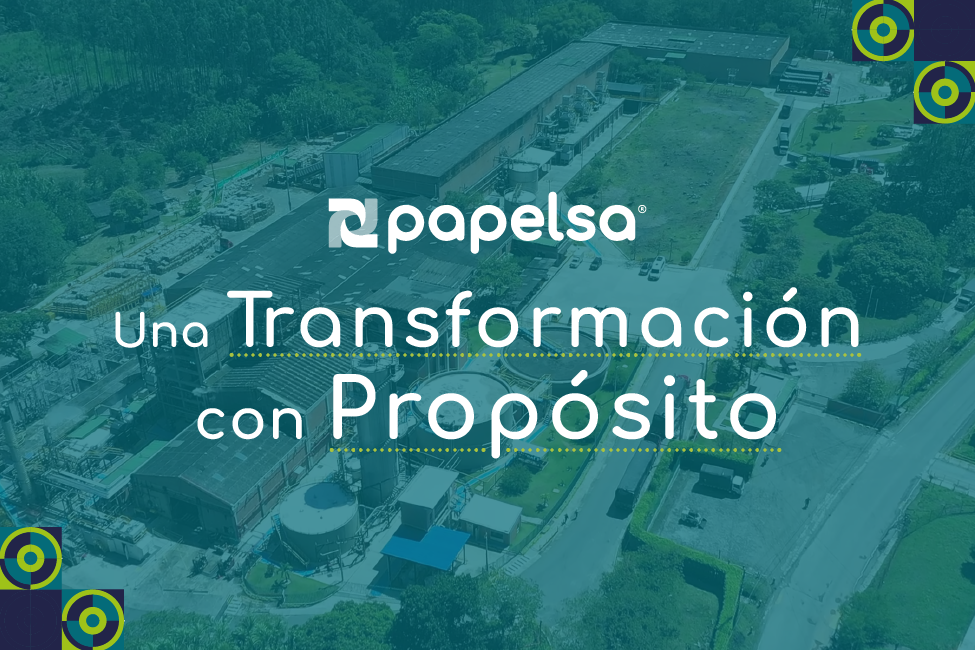








Since 2012, PAPELSA had been exploring new technologies that would allow the treatment of its wastewater and the optimization of the water resource.
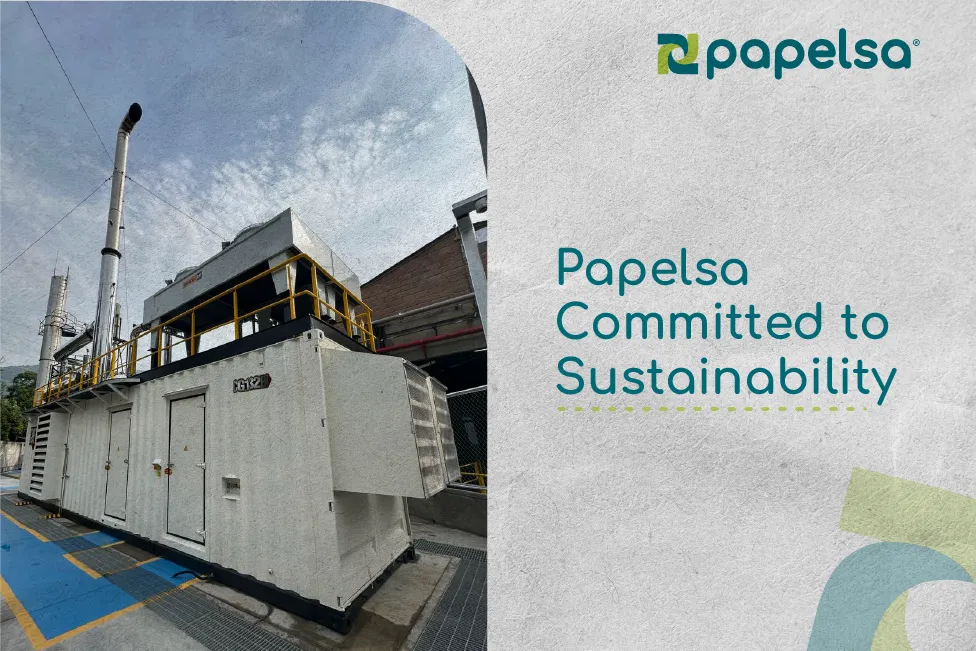
The plant will have an anaerobic system, which positions PAPELSA as a pioneer company in developing a project with this technology.
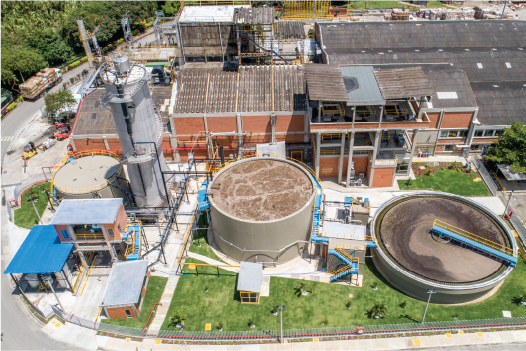
Papeles y Cartones SA, invested about eight million dollars in its new Non-Domestic Wastewater Treatment Plant (PTARnD), through which it expects to have higher chemical oxygen demand (COD) and biological oxygen demand (BOD5) with removals greater than 80% and generate biogas that can be used in the future as a source of energy generation.
This treatment plant has the capacity to treat 100 m³ / hour, which is approximately equivalent to the wastewater of a population of 16,000 inhabitants and will have a technology recognized worldwide as the most efficient for the treatment of industrial water and biogas production, a characteristic that constitutes its greatest differential. In addition, it complements the current treatment system with which Papelsa already recirculates approximately 40% of the treated water.
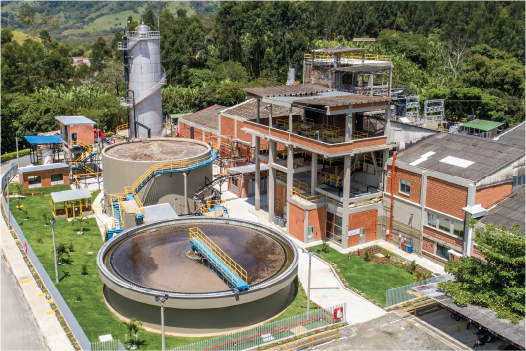
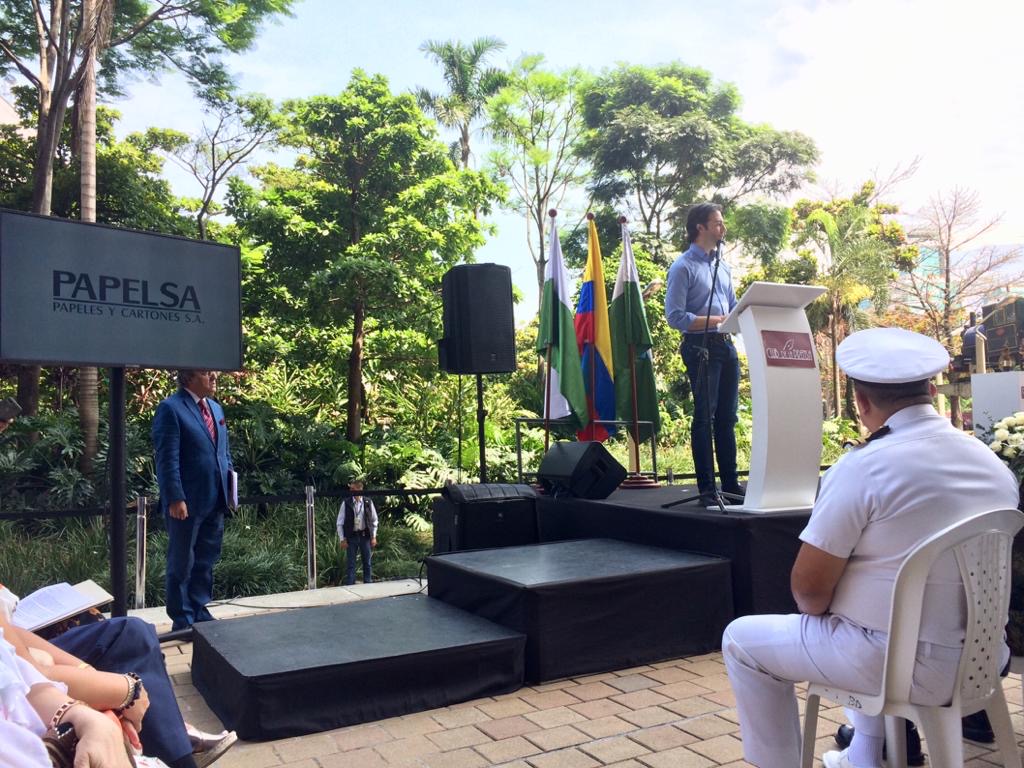
“Since the beginning of our operation, we have optimized the consumption of water resources, reusing the largest possible volume, reducing the polluting loads to bodies of water, and improving the treatment we give to the discharge. We had been looking for the right technology to advance in our environmental commitment for a long time, and we believe that with this project we have taken a decisive step towards being an increasingly sustainable company”, assured our General Manager, Carolina Atehortúa.
With this new Treatment Plant, PAPELSA also responds to the regulatory requirements of Colombia, Resolution 0631 of 2015 of the Ministry of Environment and Sustainable Development, which establishes a certain amount of concentrations in discharges.
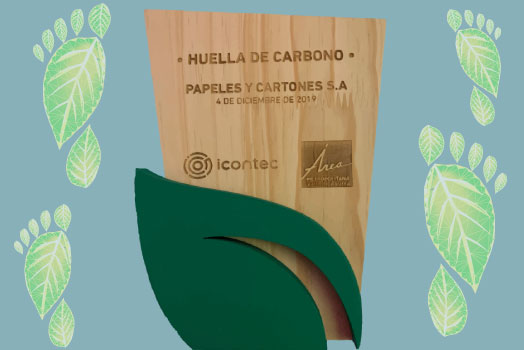
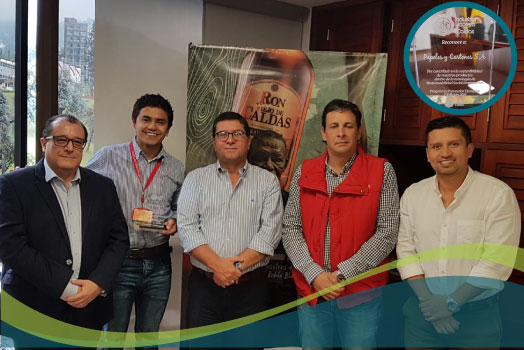
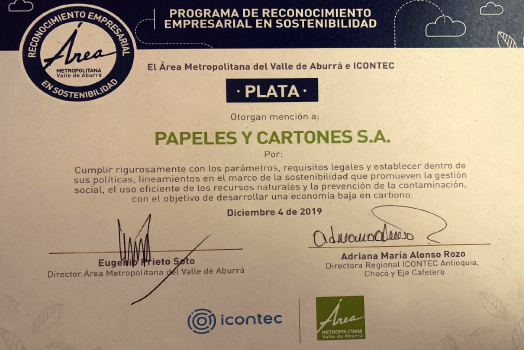
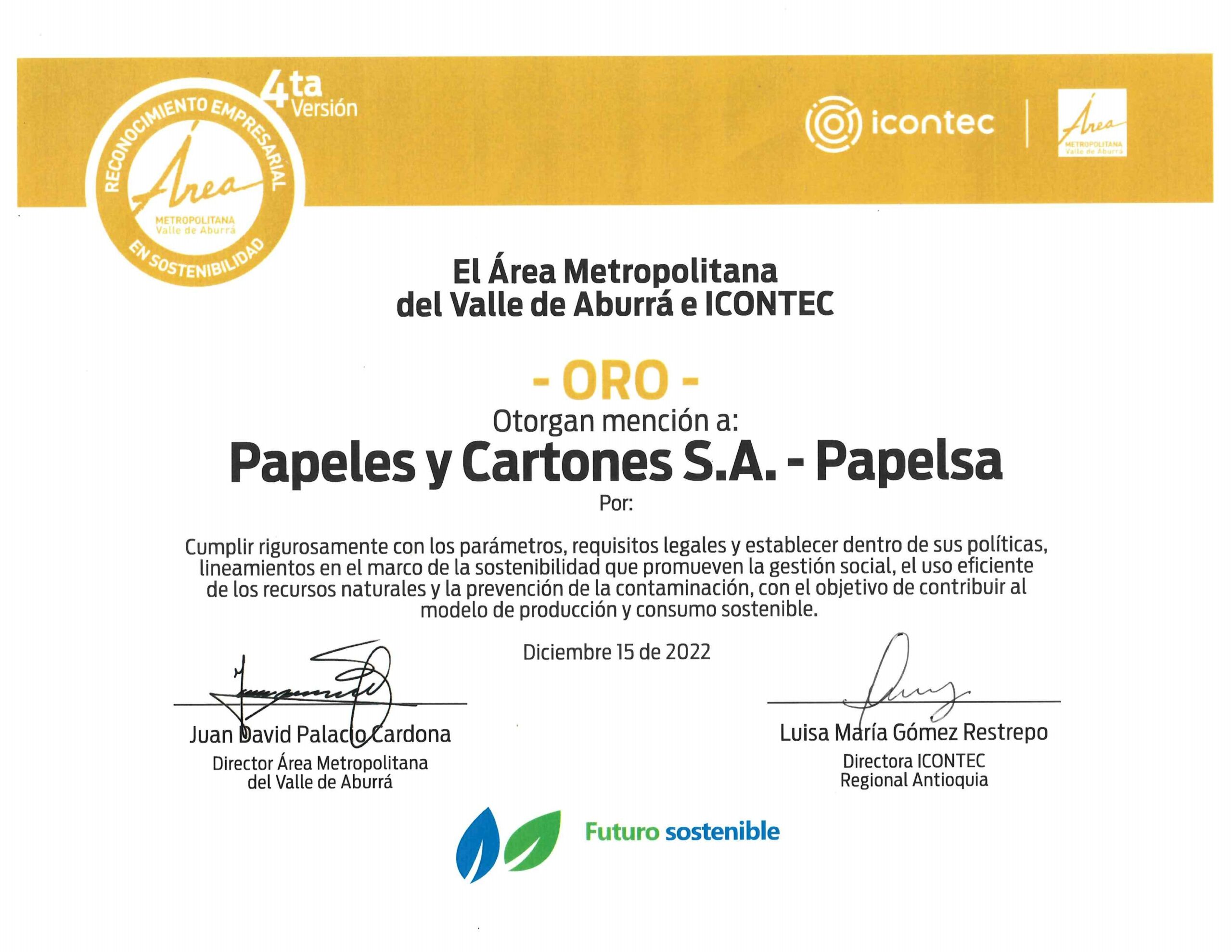
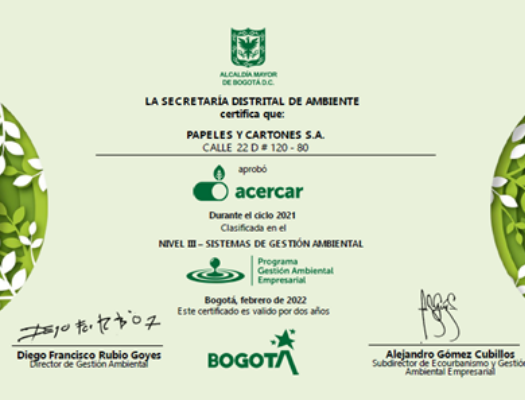
It is important to mention that this investment joins many others that the company has led in terms of sustainability. For example, in terms of water resources, the water footprint was measured, through a joint project with the National Center for Cleaner Production and ANDI’s Pulp and Paper Chamber. Regarding other natural resources, we have certified our carbon footprint in the Icontec, we participate in the ‘BanCO2’ program to compensate families who work for the conservation of forests, we direct our energy savings towards the reduction of gas emissions from greenhouse effect, among other actions